It was Friday, January 29, 2021. The freeway was covered in layered snow that formed wave-like patterns. Wisps of ice and snow danced along the road’s surface. Semi trucks swayed in the heavy wind gusts, and no one driving down the highway dared go faster than 35 miles per hour as their windshields were relentlessly blasted with snow.
What was I doing out on the road in such hazardous conditions? I was headed toward the nearest testing center that could accept me so that I could stay current under Part 107. I first received my commercial drone license on January 5, 2017. I renewed in January of 2019. Here I was, in January 2021, two months before the FAA would introduce a much simpler solution for staying current, with three remote pilot gigs lined up for February.
Before the FAA introduced the Recurrent Exam in March of 2021, commercial remote pilots were required to return to a PSI Test Center and pass the Part 107 exam in order to stay current. Now, you just need a computer and an internet connection. The Recurrent Exam also serves one additional purpose. It educates you on how to operate safely and legally at night. So, if that’s on your docket, you’ll need to pass it – even if you just received your Part 107 certificate.
I know what you’re probably thinking: “I just passed an exam, now I need to go through this process again.” While you had to pay $175 to take the initial Part 107 exam, the good news is the recurrent exam is free and can be completed at your leisure. And while you may have spent anywhere from 15 to 20 hours studying for the 107, if you didn’t have a background in aviation, you can expect to spend about two hours with the training modules the FAA provides. You don’t need to complete the process in one sitting either; progress is saved as you go.
Getting Started
To get started with your recurrent exam, head over to FAASafety.gov and create a free account, if you don’t have one, or log in. Enroll in ALC-677, the Part 107 sUAS Recurrent course for Non-61 pilots. From there, you can start viewing the training modules. You’ll be quizzed along the way and must answer all questions correctly before moving on.
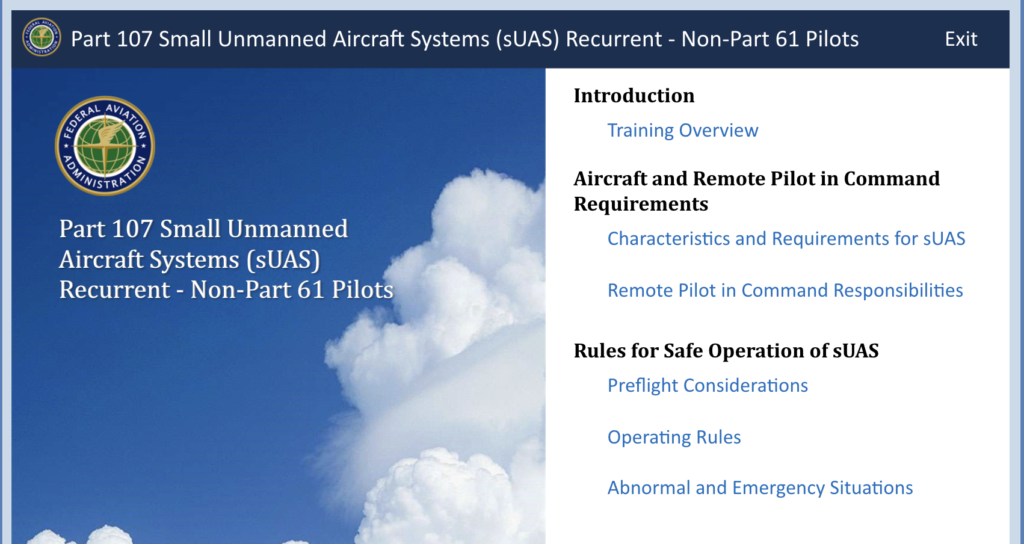
The recurrent exam emphasizes more advanced topics, such as operating a drone at night or in the dark, as well as rules for operating over people. Hazardous attitudes, registration markings on your aircraft, and Crew Resource Management will also be covered again. Once you’ve completed the modules, you’ll be presented with the 45-question multiple-choice exam.
You must score a perfect 100% to pass. While this seems daunting, you have three opportunities to get the answer right for each question. You’ll be shown which ones you missed once you submit the test for grading. You’re also allowed to use any notes you take while viewing the training materials for reference.
Once you’ve passed, you’ll automatically be presented with a certificate of completion. You can print a copy or keep a digital version on your phone for proof of compliance. You’ll need to renew your certification in 24 calendar months. For example, if you passed the exam on April 5, 2026, you have until April 30, 2028, to retake it and stay current. I personally like to set a calendar reminder for two years out.
Outside the United States?
Ongoing training is also required in many other regions. Under EASA (European Union Aviation Safety Agency) and the United Kingdom’s CAA (Civil Aviation Authority), pilots must remain current by reviewing updated guidance and, in some cases, renewing certifications or operational authorizations.
In Australia, CASA (Civil Aviation Safety Authority) requires operators to stay compliant with current regulations and may require additional approvals for more complex operations.
Regardless of location, staying current isn’t optional. Regulations and airspace rules evolve, and it’s your responsibility to do your research and keep up to date.
Some Final Thoughts
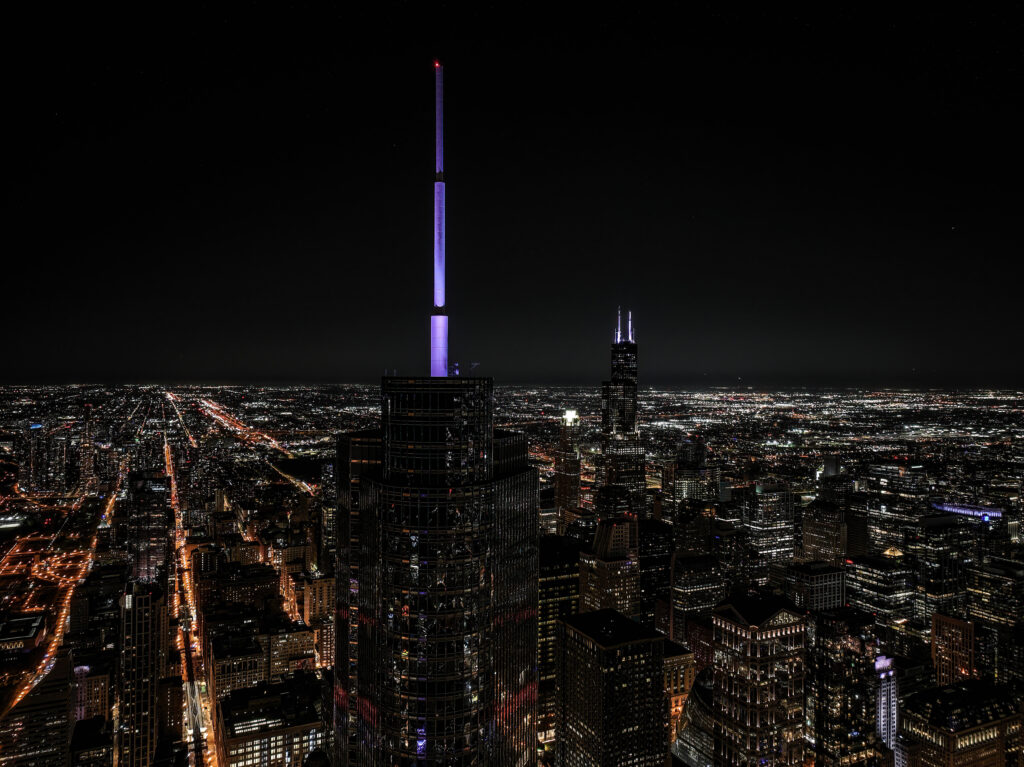
The Recurrent Exam is designed to reinforce best practices, especially for flying at night. While DJI likes to advertise increasingly advanced obstacle-avoidance systems, the technology is not foolproof. An errant branch or wayward power line can easily take down your aircraft. This is why it’s important to scout your location ahead of time, ideally during the day, so you understand the environment before visibility becomes limited.
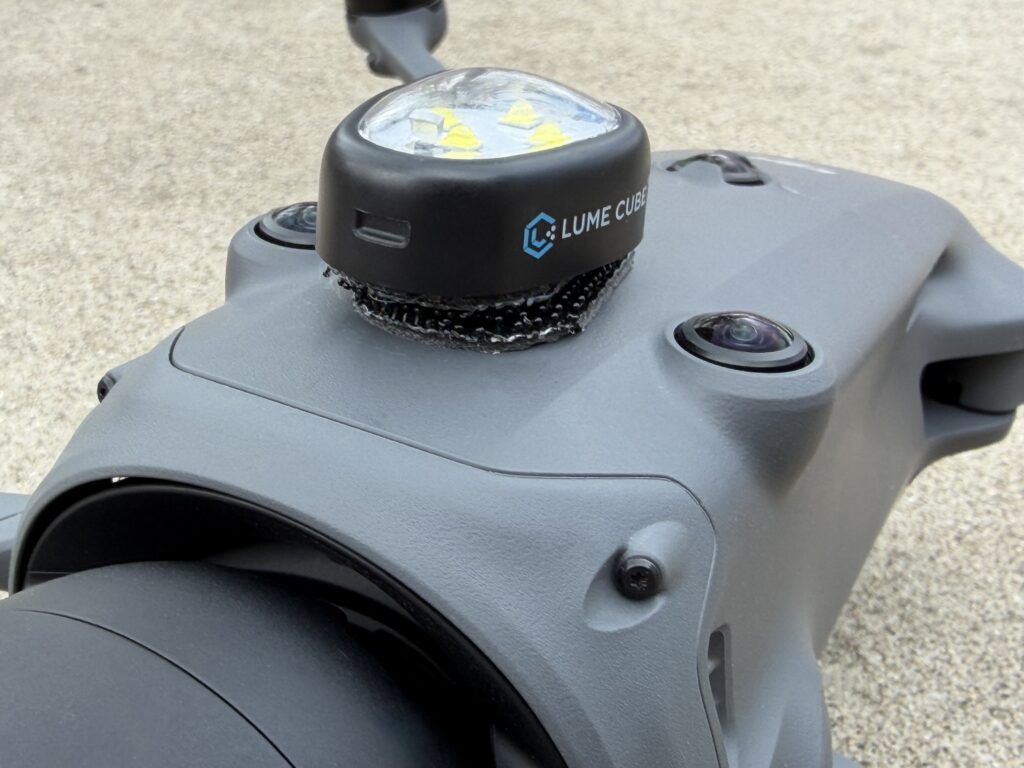
Another important requirement that sometimes gets overlooked when operating at night is equipping your drone with an anti-collision light. The FAA requires you to use one that is visible up to 3 statute miles and can broadcast 3 colors, including red and green. Lume Cube (no affiliation) is my personal favorite only because it’s a reliable option that is easy to mount and remove as needed.
A significant portion of the exam focuses on night operations, along with more advanced topics such as operating over people, reinforcing the real-world conditions you’ll encounter in the field. Staying current isn’t just a requirement, it’s part of flying responsibly. Regulations evolve, and conditions are never static.
If you’ve finished this series and completed the recommended steps, you have a solid understanding of what it takes to fly safely and responsibly. Experience and consistent practice will sharpen your skills and improve your ability to operate professionally. From here, it’s about applying what you’ve learned, making smart decisions in the field, and building on that knowledge over time.